Monthly Garden Checklist

Month-by-Month Desert Gardening Tips

Call us at (480) 488-9455 with any questions and for help buying and growing desert plants and designing desert landscapes.
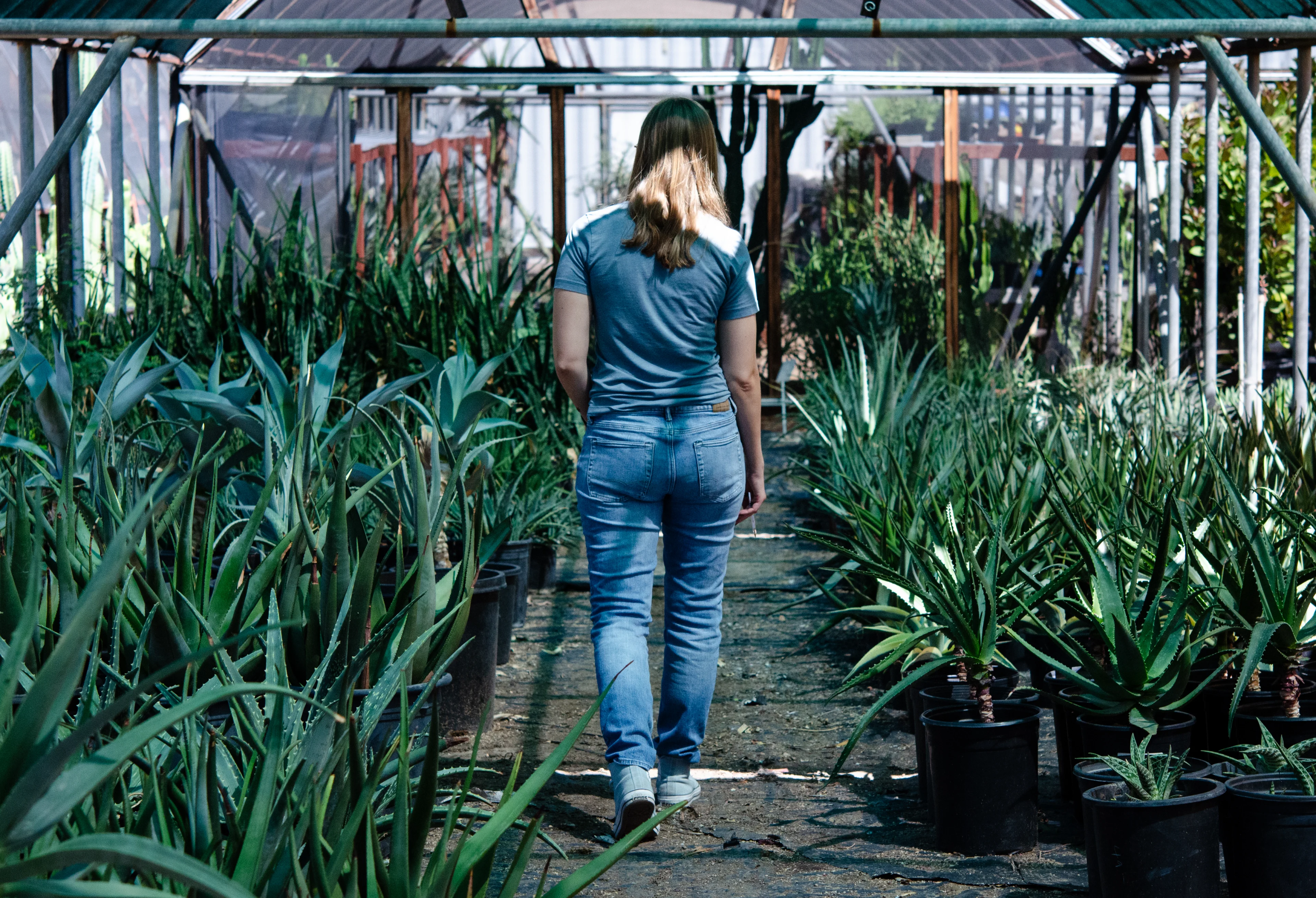
Woman walking through a greenhouse filled with potted plants, with a shed at the top of the image

January

  • Fertilize winter lawns after the first mowing using a high-phosphate fertilizer.
  • Prune roses and transplant bare-root roses.
  • Prune deciduous non-native trees, fruit trees, and grapes.
  • Plant bare-root fruit trees.
  • Protect sensitive plants from frost with frost cloths and frost cups.
  • Continue the reduced winter watering schedule.
  • Never water or mow wet turf at night.

February

  • Weed the garden regularly.
  • Continue protecting frost-sensitive plants.
  • Harvest citrus before blooming (except Valencia oranges and grapefruit).
  • Fertilize citrus trees mid-month.
  • Add compost and ammonium phosphate to garden beds.
  • Plant bare-root fruit trees, deciduous trees, shrubs, vines, and annuals.

March

  • Weed frequently.
  • Fertilize roses every two weeks.
  • Begin transitioning rye grass to Bermuda once nighttime temperatures stay above 60°F.
  • Thin fruit on apple, apricot, pear, and peach trees.
  • Begin pruning shrubs and ground covers.
  • Plant tropical plants, vegetables, herbs, and non-native trees.

April

  • Continue weeding.
  • Finish harvesting Valencia oranges and grapefruit.
  • Continue mowing rye grass.
  • Fertilize roses.
  • Trim desert trees and shrubs (avoid trimming citrus).
  • Plant desert trees, citrus trees, cacti, succulents, shrubs, and ground covers early in the month.

May

  • Continue weeding.
  • Fertilize Bermuda lawns.
  • Increase watering during extreme heat.
  • Water plants deeply.
  • Protect young tree trunks from sunburn.
  • Shade sensitive plants such as tomatoes.
  • Ensure vegetables receive adequate soil moisture.

June

  • Water carefully during the hottest months.
  • Water flower beds every other day.
  • Protect young tree trunks.
  • Mulch heat-sensitive plants.
  • Transplant desert trees, shrubs, and palms.
  • Fertilize only after watering.
  • Prune bougainvillea and lantana.

July

  • Continue June watering practices.
  • Water flower beds every other day.
  • Protect tree trunks from sunburn.
  • Mulch around sensitive plants.
  • Continue transplanting desert trees and palms.
  • Fertilize only moist soil.
  • Continue pruning bougainvillea and lantana.

August

  • Allow Bermuda grass to grow 2½–3 inches.
  • Plant melons.
  • Refresh mulch around heat-sensitive plants.
  • Fertilize citrus and fall-ripening fruit trees.
  • Continue planting desert plants with daily watering.
  • Add iron if roses become yellow.
  • Prepare flower beds for fall planting.
  • Start cool-season vegetable seeds.

September

  • Continue deep watering.
  • Stop fertilizing Bermuda before overseeding.
  • Fertilize citrus if needed.
  • Prepare garden beds with compost and soil amendments.
  • Plant cool-season vegetables once temperatures drop below 100°F.

October

  • Plant leafy and root vegetables.
  • Reduce watering as temperatures cool.
  • Plant winter rye lawns.
  • Mow Bermuda before overseeding.
  • Plant trees, shrubs, and flowers.
  • Avoid fertilizing established trees and shrubs.

November

  • Avoid watering lawns after dark.
  • Continue watering dormant Bermuda.
  • Fertilize yellowing winter rye.
  • Plant flowers suited to available sunlight.
  • Harvest leafy vegetables.
  • Remove unwanted citrus tree sprouts.

December

  • Plant annuals and perennials.
  • Protect plants from frost.
  • Continue avoiding nighttime watering.
  • Harvest citrus as it ripens.
  • Plant fruit and nut trees suited to the low desert.
  • Plant bare-root and container roses.
  • Avoid major pruning.
Orange and green abstract flower pattern

Happy Gardening

If you have any questions don’t hesitate to call us!